
What to check before choosing a liquid shot manufacturer?
A shot looks like the simplest product on the shelf: one small bottle, one dose, gone in a few seconds. Making one well is harder than it looks,...
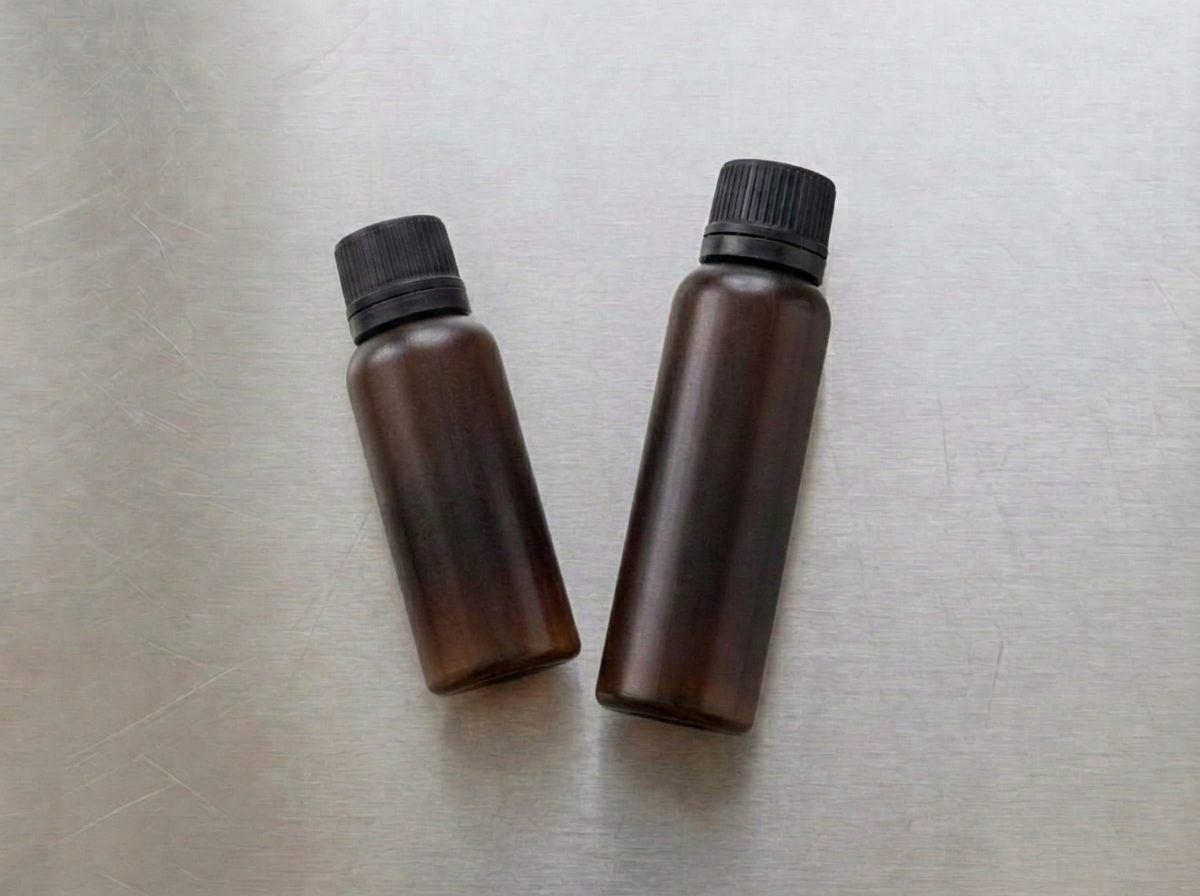
A shot looks like the simplest product on the shelf: one small bottle, one dose, gone in a few seconds. Making one well is harder than it looks, because fitting a full active dose into a few millilitres means stronger concentrations, more noticeable bitterness and far less room for error than a regular drink or a capsule.
Most brands compare an energy shot manufacturer on price and minimum order, and those numbers do matter. But they don’t show whether the shot will taste good at launch, or whether it will still match its label at the end of its shelf life. The questions below will help you find out.
Have they actually made shots before?
Liquid experience and shot experience aren’t the same thing, and a site that bottles syrups well can still struggle with a concentrated single-dose format. Ask how many shot products they make today and with which actives, because an energy formula built on caffeine, B vitamins and taurine behaves very differently from a collagen or botanical shot.
Ask about dose accuracy too. In a small bottle, even a slight drift in fill volume turns into a noticeable drift in dose. EU guidance sets tolerances for the declared vitamin and mineral amounts in food supplements, and those limits apply for the product’s whole shelf life.¹ A good partner will show stability data to back this up.
For energy shots, make sure they know the caffeine rules. Under Regulation (EU) No 1169/2011, food supplements with added caffeine need a label warning, with the caffeine amount stated per daily portion.² Many brands also look to EFSA’s opinion on the safety of caffeine when deciding on serving size.³ A manufacturer who raises this early could save you a relabel later.
How seriously do they take taste?
This is where a lot of shots fail. Caffeine is bitter, and so are plenty of vitamins, minerals and plant extracts, and a shot has no extra liquid to dilute them. A 2024 review of taste-masking methods found that sweeteners and flavours alone often aren’t enough for strongly bitter ingredients, and pointed to bitterness as a real reason people stop taking a product.⁴ For a shot, that means weak repeat sales.
So ask direct questions. Is flavour work done in-house or handed to a supplier? How many tasting rounds happen before sign-off, and who tastes the samples? Both actives and flavours could change in storage, so it’s also worth asking how they check taste partway through shelf life, not only at release.
What do they own, and what do they outsource?
Find out which steps happen under their own roof: formulation, raw material testing, filling, packaging and batch release. Every handoff to another company adds time and one more chance for something to go wrong.
Water-based products need tighter microbial control than dry formats, so ask whether liquids run on dedicated equipment and what gets tested on every batch. Ask for a sample Certificate of Analysis, and check which certificates cover the site that will make your product.
If they have their own formulation or delivery technology, ask what it does and whether your brand could use it. Also ask who owns a formula they develop for you.
Where is the manufacturer heading?
Track record shows where a manufacturer has been, while strategy shows where it’s going. Ask how long they’ve produced liquids, who their typical clients are and which markets they export to, since knowing local labelling rules saves time at launch. Most of all, find out whether liquids are a core focus or a side line. A manufacturer that keeps investing in liquid production is more likely to still be making your shot five years from now. References from brands in your own category will tell you more than any brochure.
Where taste meets the production line
The formulation question and the manufacturing question are harder to separate than they look on paper. Taste problems often appear when a formula moves from a pilot batch onto a production line that also runs other products. Making shots on dedicated liquid lines is less common than it sounds. Noviatic, a European contract manufacturer based in Vilnius and Kaunas, Lithuania, runs its shots this way inside its own GMP-certified facilities, and its in-house R&D team works on each formula from brief to pilot batch. That doesn’t mean one setup suits every brand. It shows how much a concentrated, single-dose format depends on the same people handling both the recipe and the production run.
For brands weighing this checklist against a real production partner, it helps to see how that works in practice. Learn more about Noviatic’s functional shot manufacturing.
The right first question for a brand isn’t which manufacturer is cheapest. It’s which one will still make the shot taste right on its hundredth batch.
References
- European Commission. Guidance document for competent authorities for the control of compliance with EU legislation… with regard to the setting of tolerances for nutrient values declared on a label (2012). https://www.FSAI.ie/getmedia/71c87819-77a7-4bf2-b741-2f11cf019c2d/EU-guidance-tolerances.pdf
- Regulation (EU) No 1169/2011 on the provision of food information to consumers, Annex III, points 4.1–4.2. https://www.legislation.gov.uk/eur/2011/1169/annex/III
- EFSA Panel on Dietetic Products, Nutrition and Allergies. Scientific Opinion on the safety of caffeine. EFSA Journal, 2015. https://efsa.europa.eu/en/efsajournal/pub/4102
- Sanjay L.R. et al. Strategies for beating the bitter taste of pharmaceutical formulations towards better therapeutic outcomes. RSC Pharmaceutics, 2024. https://pubs.rsc.org/en/content/articlehtml/2025/pm/d4pm00191e
Continue reading.

Fish, Algae or Cod Liver: Choosing an Omega-3 Oil Source
Before a brand decides on flavour, format or dose, there’s a more fundamental choice sitting underneath every liquid...
Psyllium Husk Quality: What Separates Pharma-Grade from Commodity Supply?
Psyllium husk is often bought the way a commodity gets bought – by price per kilo. That works...
Why Liposomal Delivery Outperforms Standard Formats – and Where It Doesn’t
Why Liposomal Delivery Outperforms Standard Formats – and Where It Doesn’t “Liposomal” has become one of the most...