
Fish, Algae or Cod Liver: Choosing an Omega-3 Oil Source
Before a brand decides on flavour, format or dose, there's a more fundamental choice sitting underneath every liquid omega-3 launch: which oil. Fish oil, algae oil and cod...
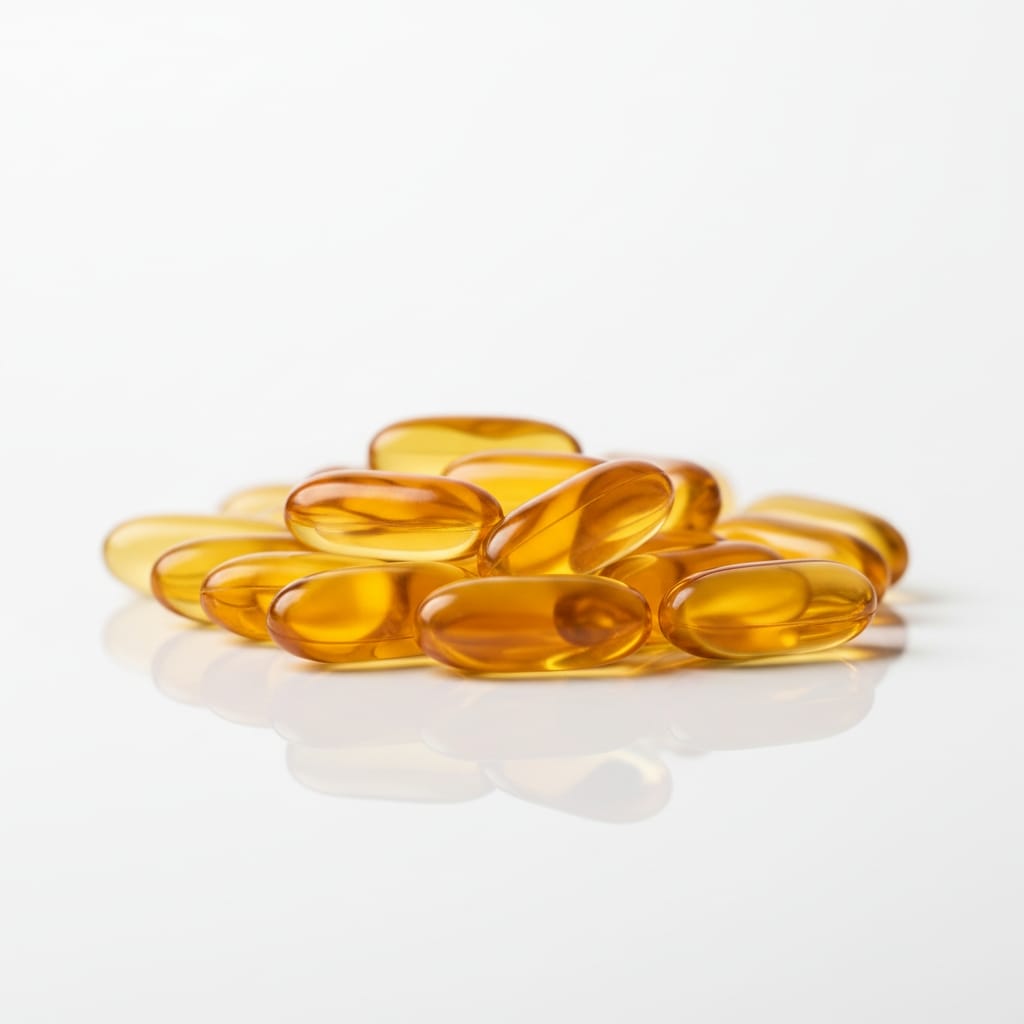
Before a brand decides on flavour, format or dose, there’s a more fundamental choice sitting underneath every liquid omega-3 launch: which oil. Fish oil, algae oil and cod liver oil all deliver the same two headline actives – EPA and DHA – but they arrive at that endpoint through very different raw materials, cost structures and label claims. None of the three is a universal “best” choice. Each one answers a different brief.
Fish oil: the default for a reason
Fish oil – typically sourced from small oily species such as anchovy, sardine or mackerel – remains the default starting point for most omega-3 launches, and the reasons are practical rather than sentimental. Supply chains are established, extraction and refining processes are mature, and EPA-to-DHA ratios can be adjusted through concentration to suit different positioning, from general wellness to higher-EPA, heart-focused formulas.
Cost sits at the lower end of the three options in most years, though not reliably – global fish oil pricing tracks anchovy catch volumes, fishing quotas and cross-sector demand from aquaculture feed as much as it tracks supplement demand, which means “cheapest option” isn’t a fixed label so much as a moving target. What fish oil doesn’t offer is a vegan claim, and it carries a heavier burden on purification: heavy metals, dioxins and PCBs all need to be refined out before the oil is fit for a finished product, which is where quality varies most between suppliers.
Algae oil: the source fish get their omega-3 from anyway
Algae oil exists because fish don’t actually produce EPA and DHA themselves – they accumulate it by eating microalgae, or smaller fish that ate microalgae. Algae oil goes to that source directly, which is what makes it usable for vegan and vegetarian formulations, and for any brand that wants to avoid fish-derived ingredients on the label entirely.
The comparison that matters to a brand owner isn’t marketing but bioavailability, and the evidence here is more settled than it was a few years ago: a randomised, double-blind trial comparing microalgal and fish oil supplementation found the two sources produced statistically comparable DHA and EPA levels in blood plasma over a 14-week period. In practical terms, algae-derived DHA performs the way fish-derived DHA does – the two only diverge in where the DHA comes from, not in what it does once you’ve taken it.
The trade-off is cost and ratio. Algae oil typically runs at a premium to fish oil, and most algae strains lean toward DHA over EPA, so a brand chasing a high-EPA, heart-positioned formula will usually still need fish oil, or a blended approach.
Cod liver oil: a different value proposition entirely
Cod liver oil is extracted from the liver rather than the body of the fish, which is the detail that changes everything else about it. Because the liver is where cod stores fat-soluble nutrients, the oil naturally carries meaningful amounts of vitamin A and vitamin D alongside EPA and DHA – unlike standard fish body oil, which carries little to none of either.
This is also where cod liver oil formulation gets genuinely more complicated than the other two sources. Natural vitamin A and D content in cod liver oil varies substantially by species, season and processing method – published values for vitamin D alone range from roughly 85 to 500 IU per gram of oil depending on the source. That variability matters directly at the formulation stage: any brand planning to add supplemental vitamin A or D on top of a cod liver oil base needs to test and account for what’s already naturally present, not assume a clean slate. Preformed vitamin A in particular has a defined tolerable upper intake level for adults, and cod liver oil is a preformed-retinol source – worth building into dose calculations from the start rather than catching at the label-review stage.
Positioning-wise, cod liver oil has quietly moved on from its “family health” image. The same natural vitamin A/D/EPA/DHA combination that made it a household staple decades ago is now a reasonable fit for active-lifestyle and daily-performance formulas – heart, brain, vision, immune and bone support in one ingredient, without stacking multiple actives.
Choosing between them
| Priority | Best-fit source |
| Lowest raw material cost, established supply | Fish oil |
| Vegan or vegetarian claim | Algae oil |
| High-EPA, heart-focused formula | Fish oil (or blended) |
| Multi-nutrient formula (omega-3 + A + D) without adding actives | Cod liver oil |
| Premium/differentiated shelf positioning | Algae oil or cod liver oil |
Whichever source a brand starts with, the health claims available afterward are the same and are set by EU law, not by marketing: the EU’s authorised claims for combined EPA and DHA cover normal heart function, and DHA alone covers normal brain function and normal vision, each requiring a minimum daily intake of 250mg. A 2024 audit of omega-3 supplement labelling across the EU found that a meaningful share of products still carry claims that don’t meet these conditions of use, which is worth knowing before a formula and its label are finalised, not after.
Where sourcing meets manufacturing
In practice, the sourcing decision and the manufacturing decision aren’t as separate as they look on paper. Producing all three oil types – fish, algae and cod liver – inside the same liquid production lines is less common than it sounds; most manufacturers specialise in one. Noviatic, a European contract manufacturer based in Vilnius and Kaunas, Lithuania, runs all three through its own GMP-certified liquid facilities, which is less a claim about any one oil being superior and more a reflection of how differently they each need to be handled – from oxidation control on fish oil to natural-vitamin accounting on cod liver oil.
For brands weighing this decision against an actual production partner, it’s worth seeing how that handling differs in practice. Learn more on Noviatic’s omega-3 manufacturing capabilities.
The right starting question for a brand isn’t which oil is best. It’s which brief the oil needs to answer.
1. https://pmc.ncbi.nlm.nih.gov/articles/PMC12524788
2. https://greenpasture.org/blog/fat-soluble-vitamins/
3. https://ods.od.nih.gov/factsheets/VitaminA-HealthProfessional
4. https://ec.europa.eu/food/food-feed-portal/backend/claims/files/euregister.pdf
Continue reading.

What to check before choosing a liquid shot manufacturer?
A shot looks like the simplest product on the shelf: one small bottle, one dose, gone in a...

Psyllium Husk Quality: What Separates Pharma-Grade from Commodity Supply?
Psyllium husk is often bought the way a commodity gets bought – by price per kilo. That works...
Why Liposomal Delivery Outperforms Standard Formats – and Where It Doesn’t
Why Liposomal Delivery Outperforms Standard Formats – and Where It Doesn’t “Liposomal” has become one of the most...